

Discover the best time to exchange currency in Vietnam with our comprehensive guide. Learn how to save money, avoid fees, and find the best rates for your travel or business needs.
See moreWhen traveling abroad, one of the first challenges every traveler faces is staying connected. Whether you need to navigate maps, book a taxi, find restaurants, or stay in touch with family and friends, having reliable internet access is essential. That’s where a tourist SIM card comes in handy.
This comprehensive guide explains what a tourist SIM is, why it’s essential, and how to choose the best one for your travel needs - including tips to save money and avoid common pitfalls.
What Is a Tourist SIM Card?
A tourist SIM is a prepaid mobile SIM card designed specifically for travelers visiting a foreign country. It provides short-term access to mobile networks, including data, calls, and SMS, without the need for long-term contracts.
Unlike local SIM cards, which are meant for residents, a tourist SIM is optimized for short stays - typically ranging from a few days to several weeks. It often includes a data plan, local calling minutes, and sometimes international call credits.
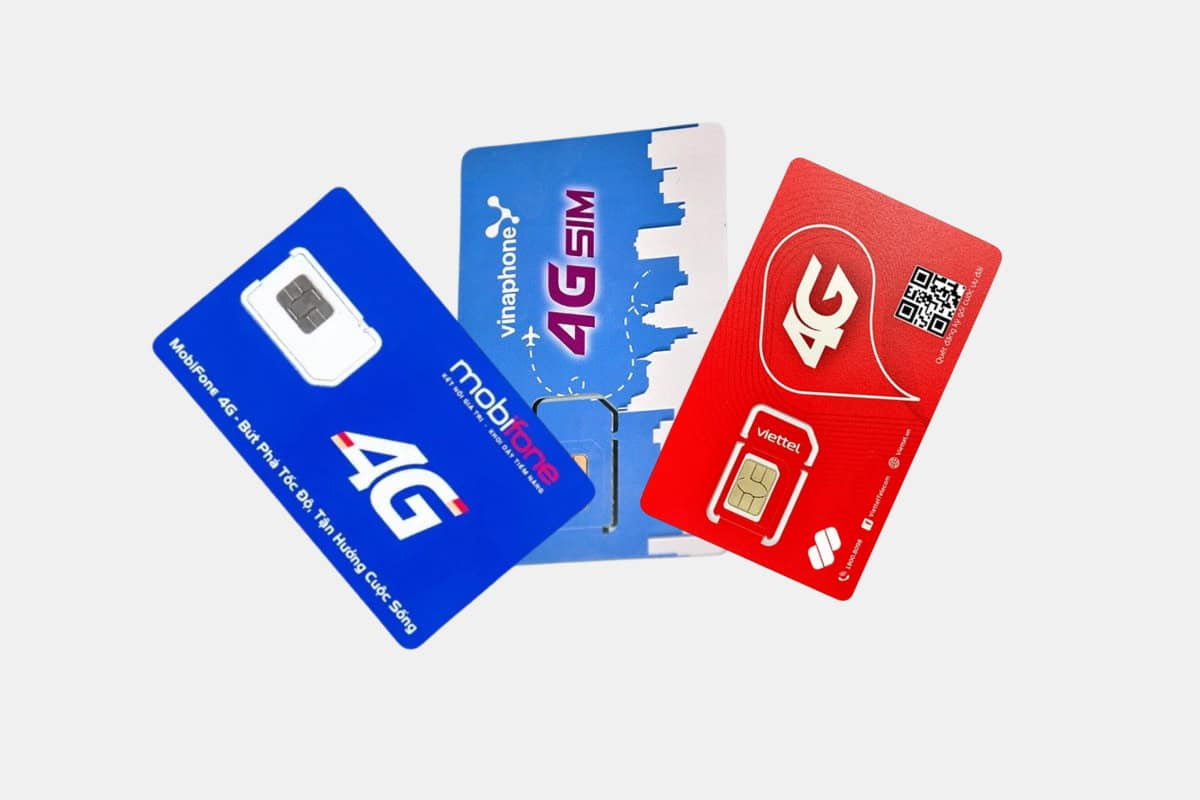
Key features of a tourist SIM:
-
Prepaid (no contract or ID from local address required)
-
Validity period ranging from 7 to 30 days
-
Ready-to-use with plug-and-play setup
-
Affordable packages for data, calls, and texts
Whether you’re a solo backpacker, business traveler, or family on vacation, a tourist SIM ensures seamless connectivity throughout your journey.
Why You Should Buy a Tourist SIM Card
Many travelers still rely on international roaming from their home country’s network, only to face hefty charges. A tourist SIM eliminates these costs while offering convenience and flexibility.
Here are the main reasons to get one:
Save on Roaming Fees
Roaming charges can be shockingly high. With a tourist SIM, you can enjoy local data rates, often 10 times cheaper than roaming.
Instant Internet Access
Once you land, you can insert the SIM and instantly access mobile data - no waiting in long queues or searching for Wi-Fi.
Stay Connected Anywhere
Public Wi-Fi may not always be safe or available, especially in remote areas. A tourist SIM keeps you connected on the go, whether you're exploring city streets or mountain trails.
Easy Communication
Make local calls to hotels, taxis, or tour agencies without worrying about international charges.
Flexibility and Convenience
Tourist SIM cards are available at airports, convenience stores, and online platforms. Many even offer eSIM options - no need for physical cards.
Types of Tourist SIM Cards
There are two main types of tourist SIM cards available today: physical SIMs and eSIMs.
Physical SIM Card
This is the traditional plastic SIM you insert into your phone. It’s widely available at airports, local stores, or official telecom outlets. Physical SIMs are compatible with most unlocked smartphones.
Pros:
-
Easy to find
-
Works with most phones
-
Often cheaper
Cons:
-
Requires a physical slot
-
Can be lost or damaged
eSIM (Digital SIM)
An eSIM (embedded SIM) is a digital alternative that doesn’t require a physical card. You simply scan a QR code to activate your plan.
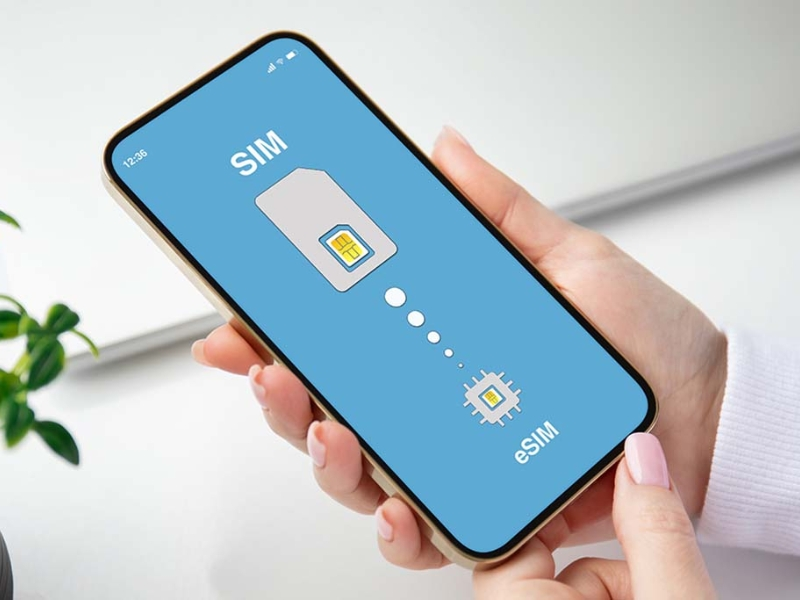
Pros:
-
No need to swap SIM cards
-
Activate instantly online
-
Perfect for dual SIM usage
Cons:
-
Only available on compatible phones (newer models)
-
Slightly more expensive in some countries
If your phone supports eSIM technology, this is the most convenient option for modern travelers
How to Choose the Best Tourist SIM Card
Selecting the right tourist SIM depends on your travel destination, duration, and usage habits. Below are key factors to consider:
Data Allowance
Think about how much data you’ll need. For light users (maps, messaging, browsing), 5-10GB is enough for a week. For heavy users (social media, streaming, GPS), consider 20–50GB.
Price and Value
Compare prices between local telecom providers and online SIM resellers. Sometimes, buying online before departure can be cheaper and more convenient.
Coverage and Speed
Check the coverage map of the provider. Major telecom companies usually have the best nationwide coverage and 4G/5G speeds.
Validity Period
Match the SIM card’s validity to your trip length. Some SIMs expire after 7 days, while others last up to 30 days.
Where to Buy
You can buy a tourist SIM:
-
At the airport (quick but often pricier)
-
In the city (cheaper, but requires some effort)
-
Online (delivered to your home or via QR code for eSIM)
Compatibility
Ensure your phone is unlocked and supports the local network frequency bands.
Popular Tourist SIM Options Around the World
To help you choose, here are some of the best tourist SIM providers by region:
Thailand
-
AIS Traveller SIM: 15GB data, unlimited social media, valid for 15 days.
-
DTAC Happy Tourist SIM: 30GB data + local calls, valid for 15 days.
Vietnam
-
Viettel Tourist SIM: Strong nationwide coverage, 15GB to 50GB data options.
-
Vinaphone Tourist SIM: Good 4G speeds in cities and tourist areas.
Japan
-
SoftBank Prepaid SIM: Unlimited data, 30-day validity.
-
Mobal Japan SIM: Great for long-term stays with local number support.
Europe
-
Orange Holiday Europe: 20GB data across 30+ countries.
-
Three UK Pay As You Go: Works across the EU with generous data plans.
USA
-
T-Mobile Tourist Plan: 30-day validity, unlimited data and calls.
-
AT&T Prepaid SIM: Wide coverage, 5G supported.
Choosing a tourist SIM that matches your travel region ensures you enjoy smooth connectivity wherever you go.
Tips for Using a Tourist SIM Effectively
To make the most of your tourist SIM card, keep these practical tips in mind:
-
Buy before you fly: Pre-purchase online to avoid long lines at the airport.
-
Keep your home SIM safe: Store it in a secure place while using the tourist SIM.
-
Use Wi-Fi when available: Save data for when you’re outdoors.
-
Turn off background apps: Prevent unnecessary data consumption.
-
Check expiry dates: Some SIMs deactivate automatically after the validity period.
-
Save the provider’s hotline: In case you need help with activation or top-up.
eSIM vs Tourist SIM – Which Should You Choose?
If you travel frequently or prefer convenience, eSIMs are the future. You can switch between countries and plans instantly.
However, if your phone doesn’t support eSIMs, a traditional tourist SIM remains a reliable and cost-effective option.
Best for convenience: eSIM
Best for budget: Physical tourist SIM
Alternatives to Tourist SIMs
If you prefer not to change SIMs, here are some alternatives:
-
Pocket Wi-Fi: Rent a portable Wi-Fi device (ideal for families or groups).
-
Global SIM cards: Work across multiple countries, but cost more.
-
Roaming add-ons: Offered by home carriers, but usually expensive.
Among all these, a tourist SIM still offers the best balance between cost, convenience, and flexibility.
Final Thoughts
In today’s digital world, staying connected while traveling is more than a convenience - it’s a necessity. A tourist SIM gives you the freedom to explore, navigate, and communicate effortlessly, without worrying about high costs or unreliable Wi-Fi.
Before your next trip, take a few minutes to research and choose the right tourist SIM card for your destination. Whether it’s a physical SIM or an eSIM, investing in one will make your journey smoother and more enjoyable.